Aviation Switching Module – NSN 4920-01-250-2696 (AS-IS / Untested): Aerospace Electrical Control Component
Aviation Switching Module – NSN 4920-01-250-2696 (AS-IS / Untested): Aerospace Electrical Control Component
Blog Article
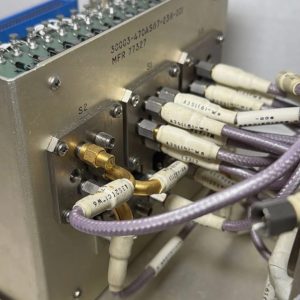
The Aviation Switching Module – NSN 4920-01-250-2696 (AS-IS / Untested) provides aviation maintenance organizations, military-surplus buyers, aerospace technicians, equipment restorers, and collectors with access to a catalog-identified switching component whose operational status has not been confirmed.
The Aircraft Switching Module offers potential maintenance or restoration value, while the Aerospace Switching Module must be inspected for condition, completeness, modification, and storage-related deterioration.
The Aircraft Electrical Switching Module may route selected circuits, while the Aviation Electrical Control Module, Aircraft Power Switching Module, Aerospace Electrical Control Unit, and Aircraft Signal Switching Module terms should not be interpreted as confirmed functions without documentation.
Whether described as an Aviation Control Module, Aircraft Switching Unit, Aerospace Power Distribution Module, Aircraft Electrical Control Unit, or Aviation Power Control Module, the component should remain identified primarily by its NSN and physical markings.
Key Details of the Untested Switching Module
A matching click here NSN can improve identification, but it does not establish present condition, functional status, completeness, or suitability for a particular aircraft or test system.
Military or aviation-surplus components may carry replacement numbers, superseded numbers, modification markings, or contract identifiers that assist research.
Buying an Untested Aviation Module
The buyer should plan for professional inspection, troubleshooting, repair, parts replacement, or display-only use.
A current-limited and controlled test setup may be appropriate when selected by qualified personnel.
Evaluating Aircraft Switching Functions
A module used with maintenance equipment may function differently from one installed onboard an aircraft.
Each visible feature should be photographed and described without assuming its electrical purpose.
Aerospace Switching Module Construction
An Aerospace Switching Module may use a durable enclosure, secure connectors, internal wiring, switches, relays, terminal assemblies, circuit boards, or other configuration-specific components.
Proper connector protection preserves the Aerospace Switching Module for future testing or restoration.
Aircraft Electrical Switching Module Inspection
External condition cannot confirm the state of hidden relays, contacts, circuit boards, wiring, or internal components.
Methodical inspection protects the integrity and research value of the Aircraft Electrical Switching Module.
Choosing an Aviation Electrical Control Module
Professional research should occur before any attempt to connect the Aviation Electrical Control Module.
Control labels and switch legends can provide useful clues, but they should not be used as the only source of technical identification.
Power Switching Module Inspection
Controlled bench evaluation should be completed by personnel familiar with aerospace electrical hardware.
Accurate reporting protects buyers seeking an Aircraft Power Switching Module for repair, parts, or research.
Choosing an Aerospace Electrical Control Unit
The repair process should preserve original markings and configuration whenever practical.
Every repair should be photographed and recorded if the module is restored.
Aircraft Signal Switching Module Uses
An Aircraft Signal Switching Module may route low-level, control, communication, measurement, or test signals between compatible equipment channels.
Shielding, grounding straps, connector shells, cable clamps, and enclosure bonding can influence signal performance where included in the original design.
Aviation Module System Integration
Associated wiring, power supplies, interfaces, switches, displays, sensors, test sets, or aircraft equipment may be required for meaningful operation.
Every marking should be recorded before purchase or installation planning.
Aircraft Switching Unit for Maintenance or Restoration
A complete but untested unit may have different value from an incomplete component known to contain damage.
Responsible educational use can extend the value of the Aircraft Switching Unit.
Aerospace Circuit Management
Power distribution equipment may use switches, relays, terminals, bus structures, circuit protection, and control interfaces depending on design.
Additional mounting holes should not be drilled until the component application is established.
Aircraft Electrical Control Unit Inspection
Dust and surface dirt can often be removed carefully, but aggressive cleaning may damage labels, seals, finishes, or electrical parts.
Continuity measurements, insulation checks, contact-resistance testing, and component examination may be appropriate when performed by qualified personnel.
Choosing an Aviation Power Control Module
Broad market keywords can support discovery while the technical description remains precise.
The equipment should remain disconnected and protected during storage.
Electronic Switching Module Applications
System diagrams can help identify required inputs, outputs, grounds, control logic, and companion components.
A replacement AS-IS unit may provide useful comparative parts but should not be installed without evaluation.
Shipping Aviation Electrical Modules
Desiccant or moisture-control materials should not contact electrical components directly unless appropriate.
Original packaging should receive additional protection rather than being used as the only shipping container.
Buying AS-IS Aviation Electronics
The potential cost of connectors, manuals, test equipment, repairs, components, and specialist labor should be included in the buying decision.
Unknown information should remain clearly identified as unknown.
Evaluating an AS-IS Aircraft Switching Unit
The buyer should request enough information for an aviation electronics technician, aerospace-equipment specialist, or experienced surplus buyer to evaluate the unit.
- Confirm that the identification plate shows NSN 4920-01-250-2696 and record every manufacturer number, serial number, contract marking, revision, and modification label.
- Do not interpret clean appearance, smooth switch movement, or intact labels as proof of electrical operation.
- Require packaging that protects connectors, switches, labels, enclosure corners, mounting brackets, controls, and loose accessories from movement and impact.
Testing the Aviation Switching Module
A qualified technician may use controlled and current-limited equipment appropriate to the module design.
Test results should identify which circuits or functions were checked and which remain unknown.
Restoring the Aerospace Switching Module
Temporary substitutions should not become undocumented permanent repairs.
Every repair should record the date, technician, fault found, parts replaced, measurements, testing performed, and remaining limitations.
Final Thoughts on the Untested Aircraft Switching Module
The Aviation Switching Module – NSN 4920-01-250-2696 (AS-IS / Untested) can provide restoration, research, parts, training, collection, or professional evaluation value when its identity and condition are understood clearly.
The strongest buying decision begins with confirming the NSN, manufacturer, part number, serial number, configuration, connector layout, condition, storage history, modification status, included equipment, and intended use.
Whether the requirement is an Aircraft Switching Module, Aerospace Switching Module, Aircraft Electrical Switching Module, or Aviation Electrical Control Module, exact identification should guide the purchase.
With prompt attention to switches, connectors, wiring, enclosure condition, corrosion, labels, and internal components, the module can preserve its technical and commercial potential.
Report this page